
Modern life rewards noise. Meetings favor the quickest response, social media the loudest opinion, and professional spaces the most confident interruption. Yet, beneath this culture of constant expression, silence has quietly reemerged as one of the most underappreciated tools for advancement.
When confronted by criticism, provocation, or thinly veiled challenge, the instinct is to respond immediately. To clarify. To defend. To win. But restraint often proves more strategic than rebuttal. Silence delays escalation. It forces others to reveal more than they intended. It transforms confrontation into data.
Silence is not passivity. It is discernment.
People who dislike you rarely do so alone. Disapproval travels in clusters, forming informal alliances that speak loudly among themselves. The attentive observer learns to listen without reacting, to map social terrain without announcing their position. In this way, silence becomes both shield and instrument, a way to understand before being understood.
What has changed, however, is that silence no longer requires isolation.
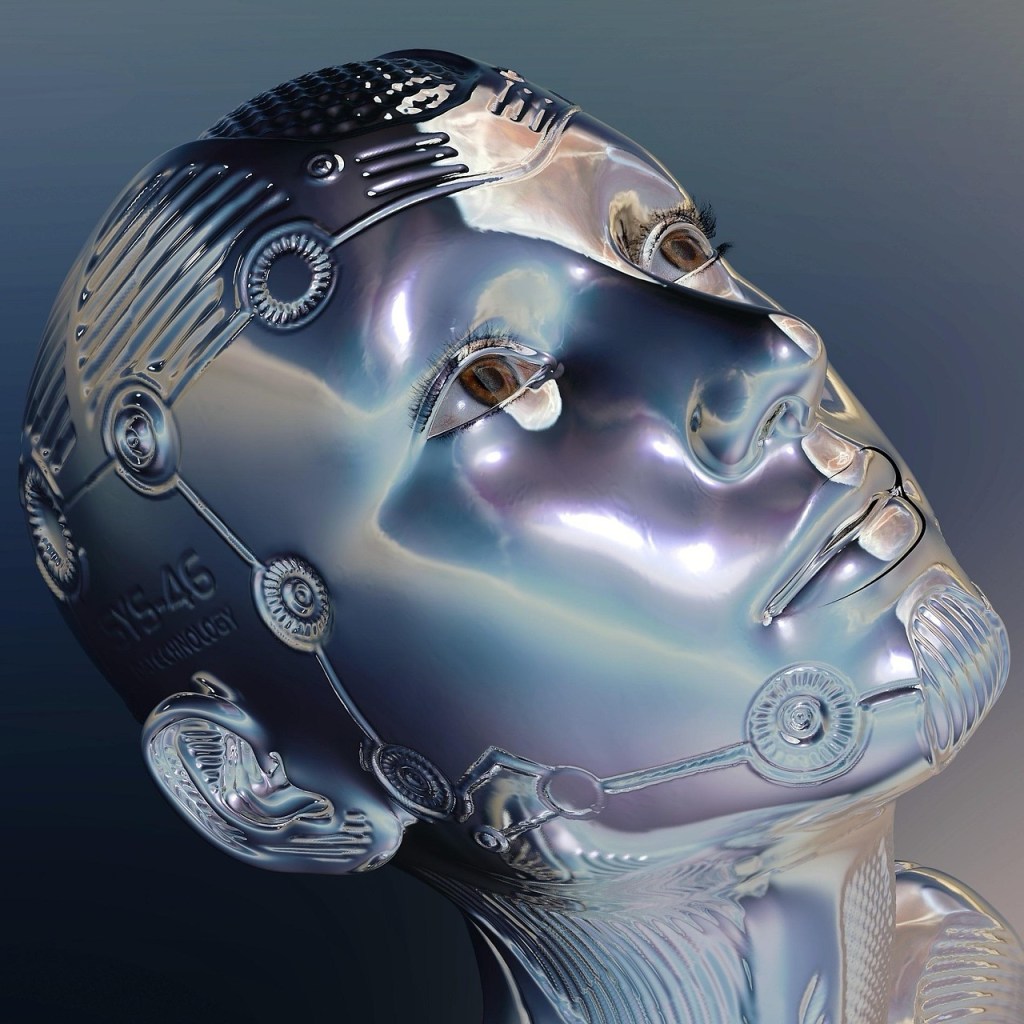
Artificial intelligence has introduced a private space for rehearsal, clarification, and reflection. Tools like ChatGPT allow individuals to process confrontation without performing it publicly. Arguments can be tested, language refined, and emotional reactions translated into strategic responses, all without social cost. Human–computer interaction, often dismissed as transactional, has become a legitimate form of communication practice.
This matters because growth does not require an audience.
While some narrate every grievance and amplify every slight, others advance quietly, thinking, revising, calibrating. AI enables this inward development, offering scaffolding without spectacle. It allows people to remain socially present while intellectually deliberate.
In a world saturated with megaphones, silence is no longer absence. It is leverage.
Those who master it will not merely survive confrontation. They will outgrow it, quietly.


 Luis Camillo Machado Osorio de Almeida, Ph. D.
Leave a comment