

Comfort is often mistaken for stability. In reality, it is more frequently a warning sign.
The moment a person becomes fully comfortable with their circumstances, financial, professional, emotional, or technological, and unwilling to endure even a modest degree of discomfort, decline has already begun. History is unambiguous on this point. Progress rarely stalls because of a lack of talent or resources; it stalls because of a refusal to adapt.
We tend to tell this story as a human one, but it is also an institutional one. Entire companies have collapsed not because innovation was unavailable, but because it was inconvenient. Kodak, Polaroid and Blockbuster did not fail due to ignorance. They failed because they recognized disruption and chose to protect what already worked. Comfort felt safer than reinvention, until it wasn’t.
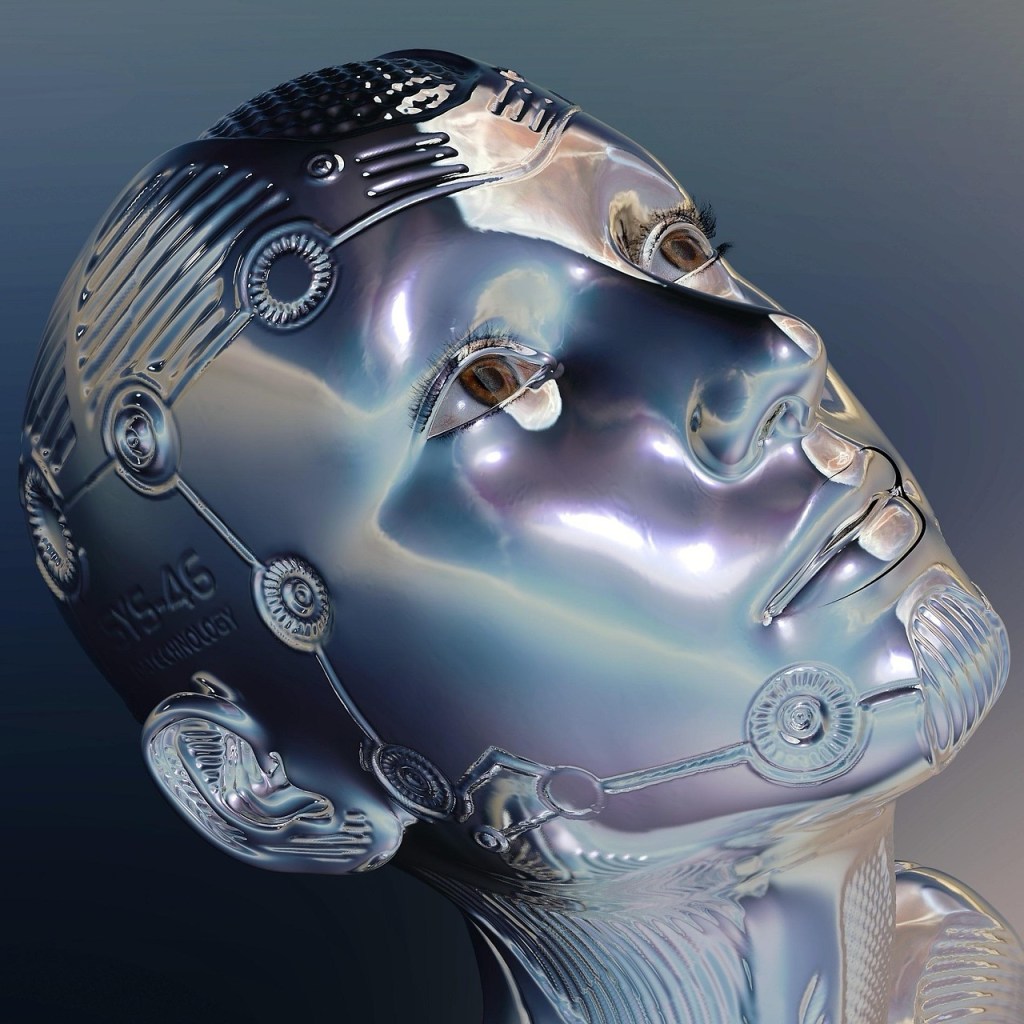
The same pattern is repeating today, this time around artificial intelligence.
Across industries, professionals are rejecting AI tools not because they don’t function, but because they do. “It does my job,” the reasoning goes, and therefore must be resisted. This logic is especially visible among college professors in English and the humanities, roles historically built on expertise, interpretation, and guidance. Ironically, these are precisely the professions most vulnerable to stagnation when they refuse to retool.
The threat is not that AI will replace them overnight. The real danger is slower and more humiliating: irrelevance. Those who refuse to learn how AI can extend, sharpen, and accelerate their work will find themselves increasingly behind, outpaced by peers who understand that innovation is not betrayal, but survival. Eventually, they will be forced out through early retirement, shrinking contracts, or declining demand. Businesses that follow the same path will not vanish dramatically; they will simply lose market share until they no longer matter.
Resisting AI is not a neutral stance. It is an active gamble against the future.
Artificial intelligence is no longer an emerging trend. It is becoming the standard infrastructure through which work is done, knowledge is synthesized, and value is created. To reject it outright is to insist that yesterday’s methods are sufficient for tomorrow’s problems. History suggests otherwise.
Discomfort, by contrast, has always been the entry price of relevance. Learning new tools, questioning established expertise, and admitting that one’s methods may be dated are not signs of weakness. They are signals of professional maturity.
Your comfort zone may feel safe. But prisons often do. And in the age of artificial intelligence, staying comfortable for too long is no longer just limiting, it is dangerous.


 Luis Camillo Machado Osorio de Almeida, Ph. D.
Leave a comment