Claflin University
During his tenure as department chair, Luis led meaningful improvements in departmental operations and student engagement under significant resource constraints. Unlike peer units, the department did not receive additional permanent faculty lines during this period, and staffing support was limited to a single temporary appointment.
To maintain instructional continuity and protect faculty workload during administrative delays, Luis assumed additional teaching and operational responsibilities as needed. In one academic term, this included teaching a full slate of courses while overseeing departmental communications, advising the Public Relations Student Society of America chapter, supporting radio station operations, and coordinating the maintenance and refurbishment of broadcast facilities.
In parallel, he provided training and support to faculty and staff in multimedia instruction and student engagement practices, including strategies for teaching and mentoring Generation Z learners. These efforts focused on sustaining program quality, student opportunity, and faculty well-being during a period of transition.
Official administrative correspondence related to his service as Department Chair is available below.

Below is a summary of contributions made during his service at Claflin University.

When Luis assumed the role of Interim Department Chair of the Mass Communications Department at Claflin University, the unit was experiencing declining enrollment, limited student engagement, and stalled program operations. At the time, the department enrolled 58 majors, faculty had received minimal preparation for teaching Generation Z learners, and several core media platforms—including television, radio, and print—were inactive or underdeveloped. Operational systems such as equipment inventory and coordinated communication were also absent.
Over the following year, the department stabilized and began to grow. Enrollment increased from 58 to 84 majors, digital engagement was reestablished through multiple active social media channels, and all major media outlets were returned to functional operation. By the subsequent academic year, the program enrolled 91 majors prior to the incoming freshman class and supported nearly 20 minors, reflecting renewed student interest and program viability.
Student engagement increased markedly following the department’s redesign, with students independently sharing feedback and program-related content across social media platforms, including TikTok. In parallel, the Public Relations Student Society of America (PRSSA) chapter—previously inactive since 2018—was reestablished and is now active, with elected student leadership in place.
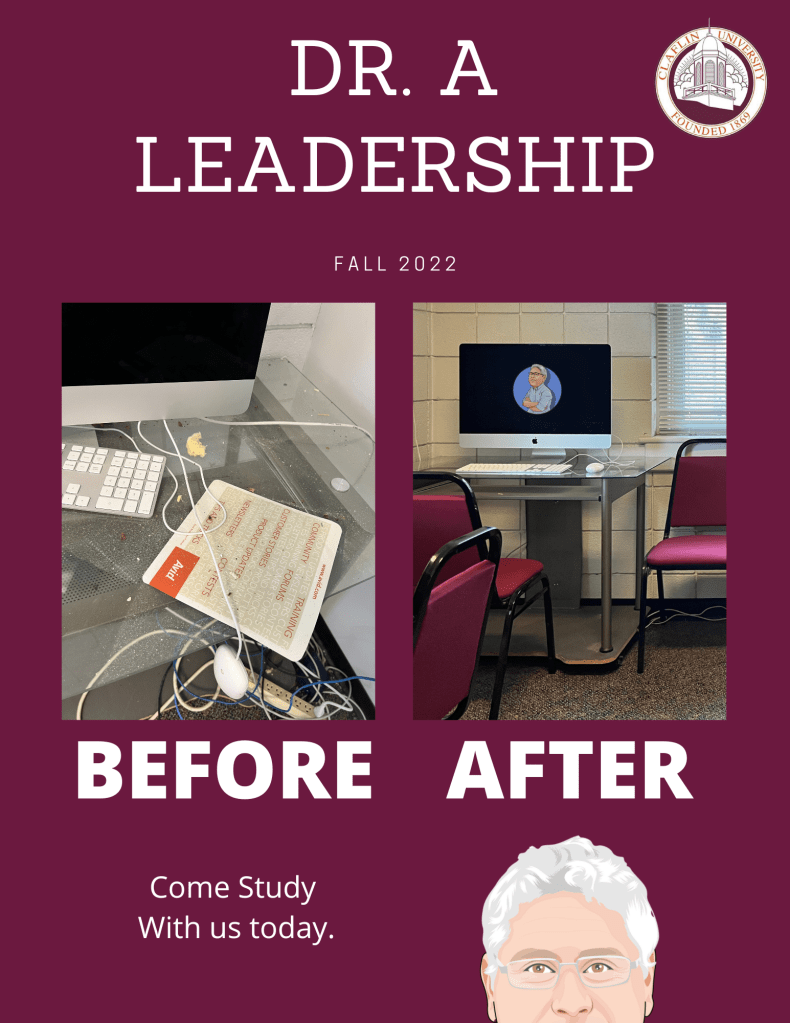
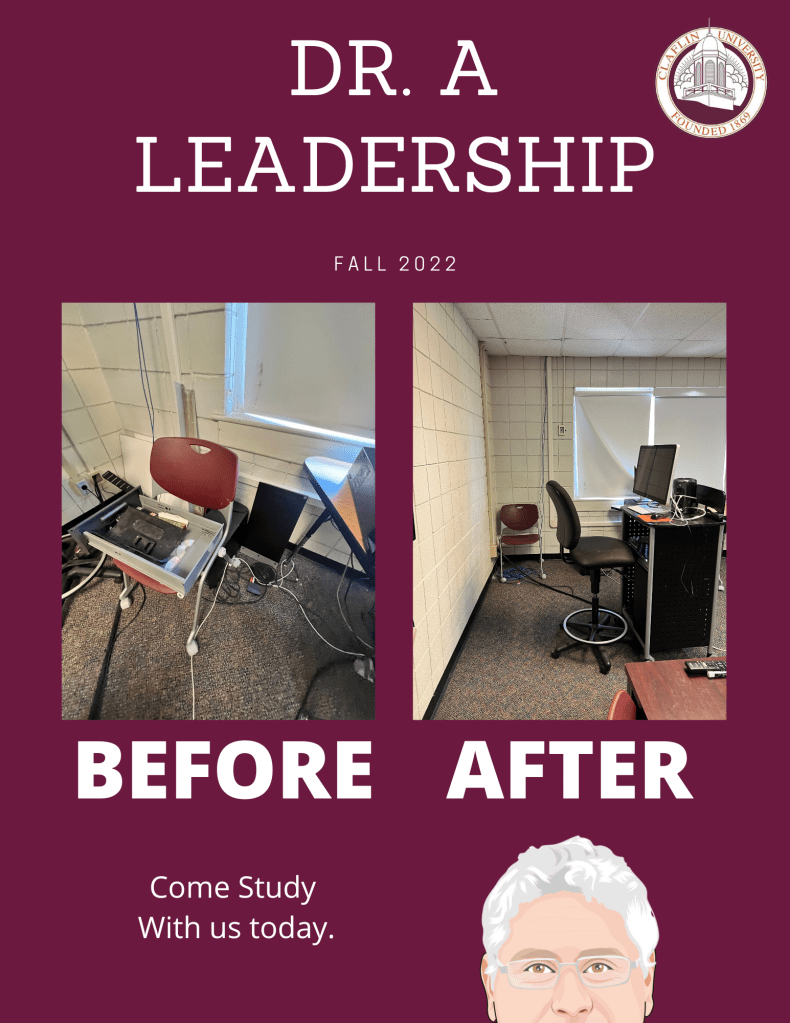
Organizing the department — Phase #1

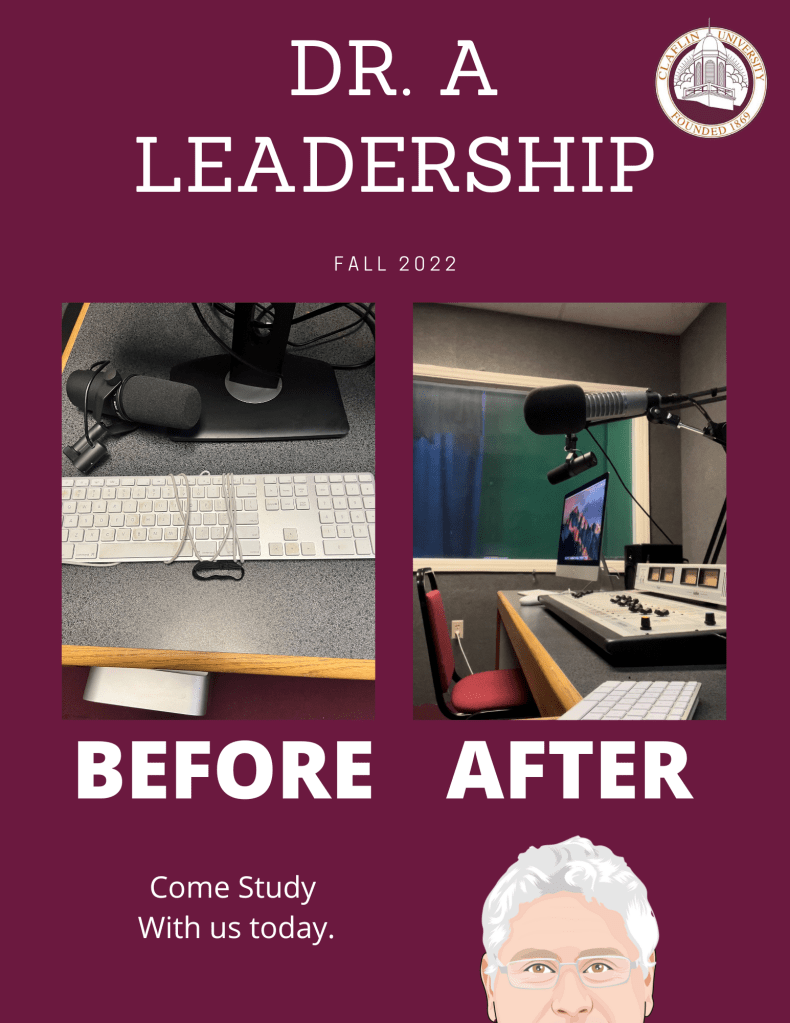
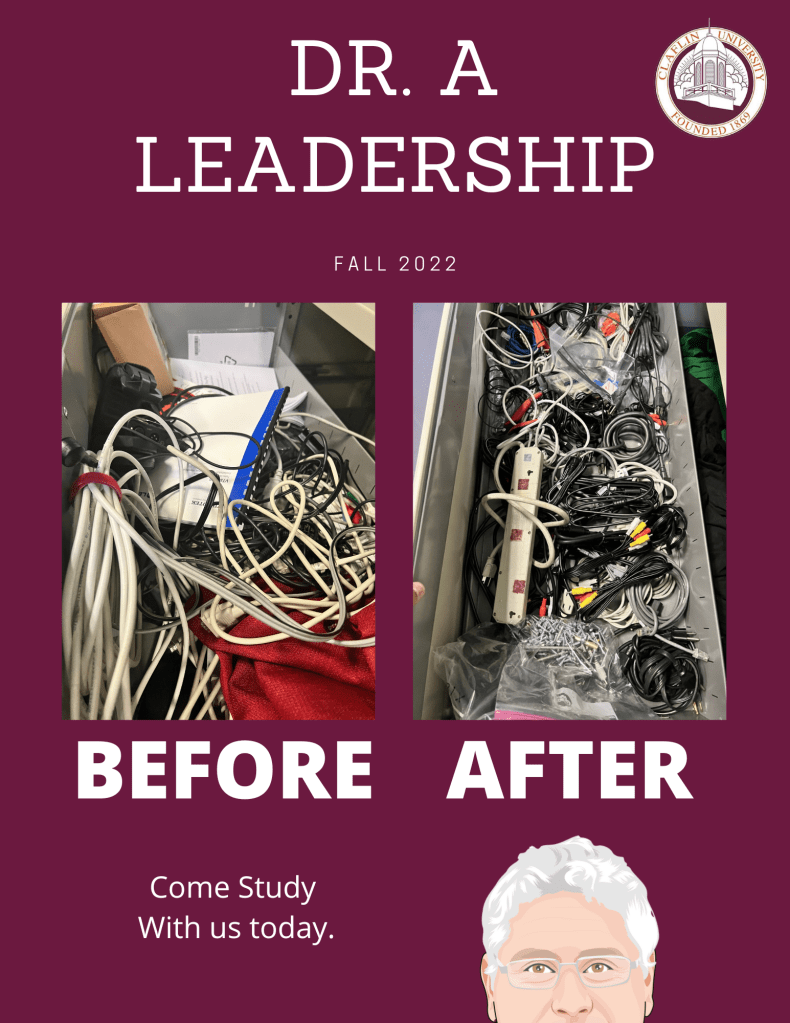

Sample editions of The Panther TV, which had not been developed for several years, are provided below.
Newsbrief 1 | Newsbrief 2 | Newsbrief 3 | Newsbrief 4
Sample music and podcast productions for Panther Radio, which had not produced student content for several years, are provided below.
Podcast #1 | Podcast #2 | Sample Radio Show 1 | Sample Radio Show 2
Sample editions of The Panther Newspaper, which had not been produced in newsletter or print format for several years, are provided below.
Instructional support included contributions from Lee Harter, under whose guidance two students received statewide collegiate Editor of the Year recognition.
Panther 1 | Panther 2 | Panther 3 | Panther 4 | Panther 5 | Panther 6
PRSSA Rebuilt (Defunct since 2018)
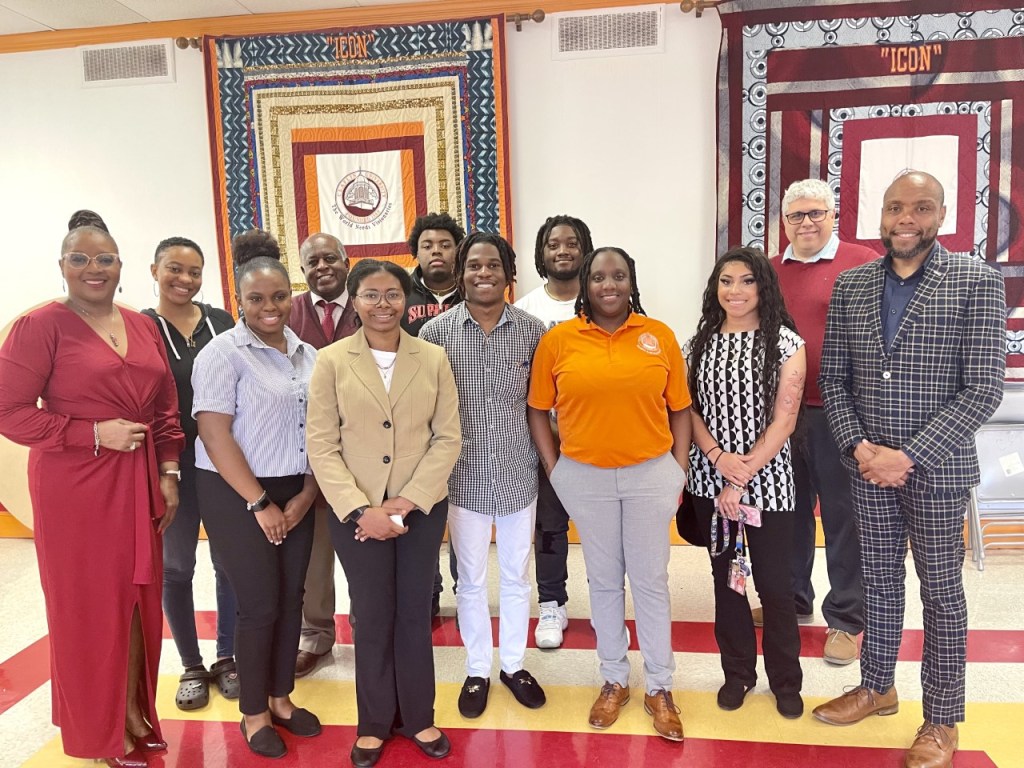
Partnership with University Athletics (Re-established since 2017)
Luis supported faculty and staff in strengthening media production practices and refining instructional approaches responsive to Generation Z learners.
Tenured faculty were actively engaged in the department’s redesign, contributing to program stability and shared stewardship of its academic direction.
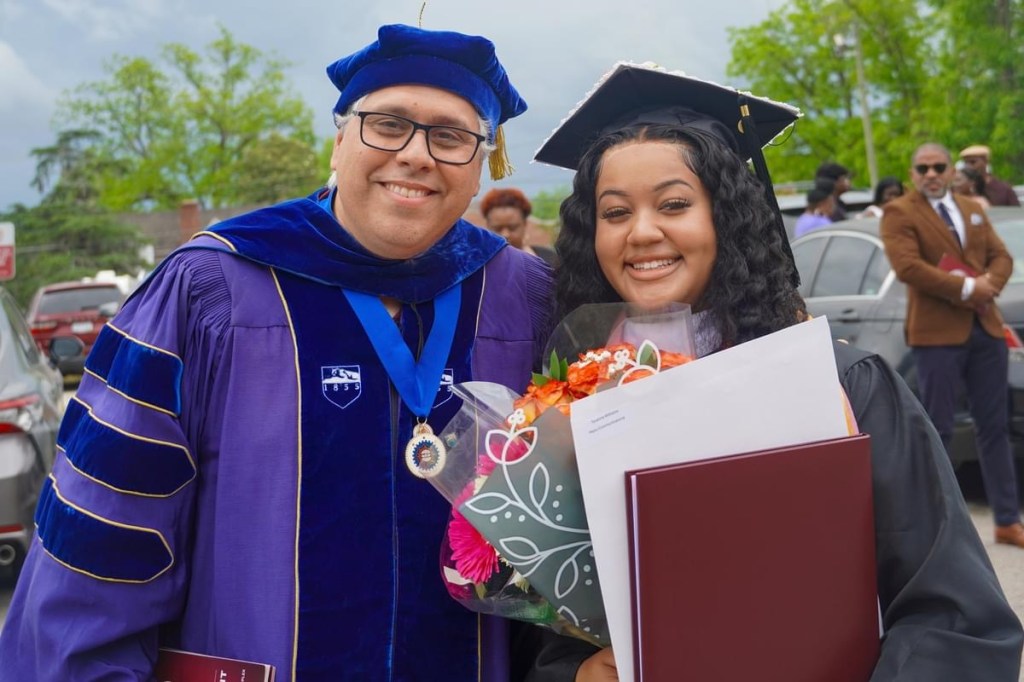
Luis and the faculty maintained an active role in student life and program development through participation in commencements, recruitment activities, and academic recognition events.
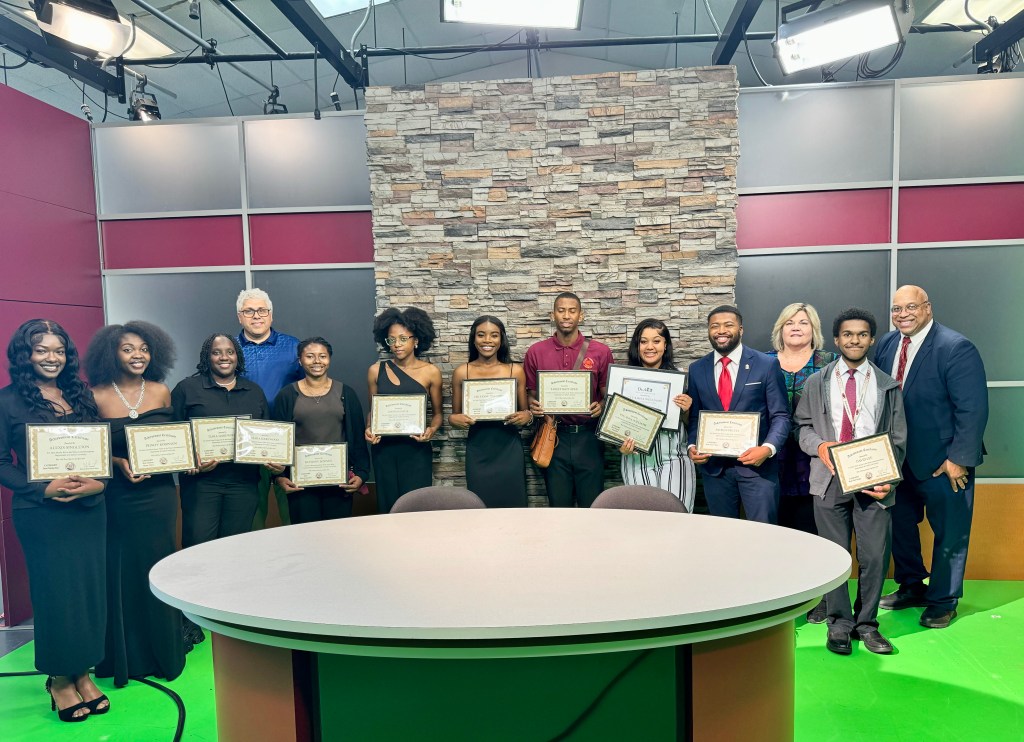
He also established departmental recognition initiatives that supported student engagement and faculty participation.
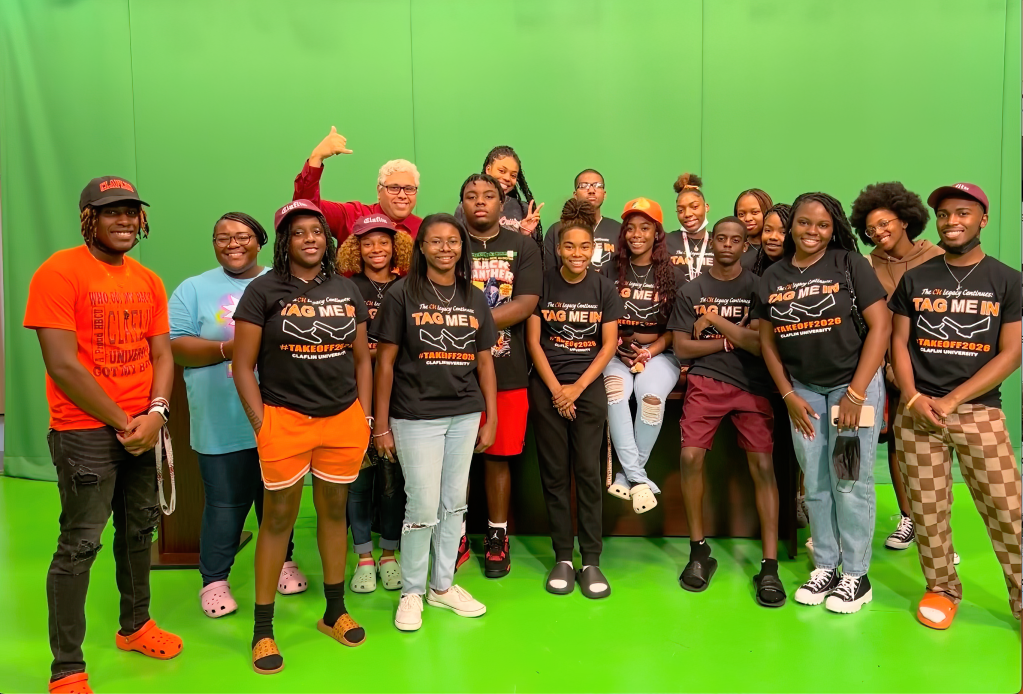
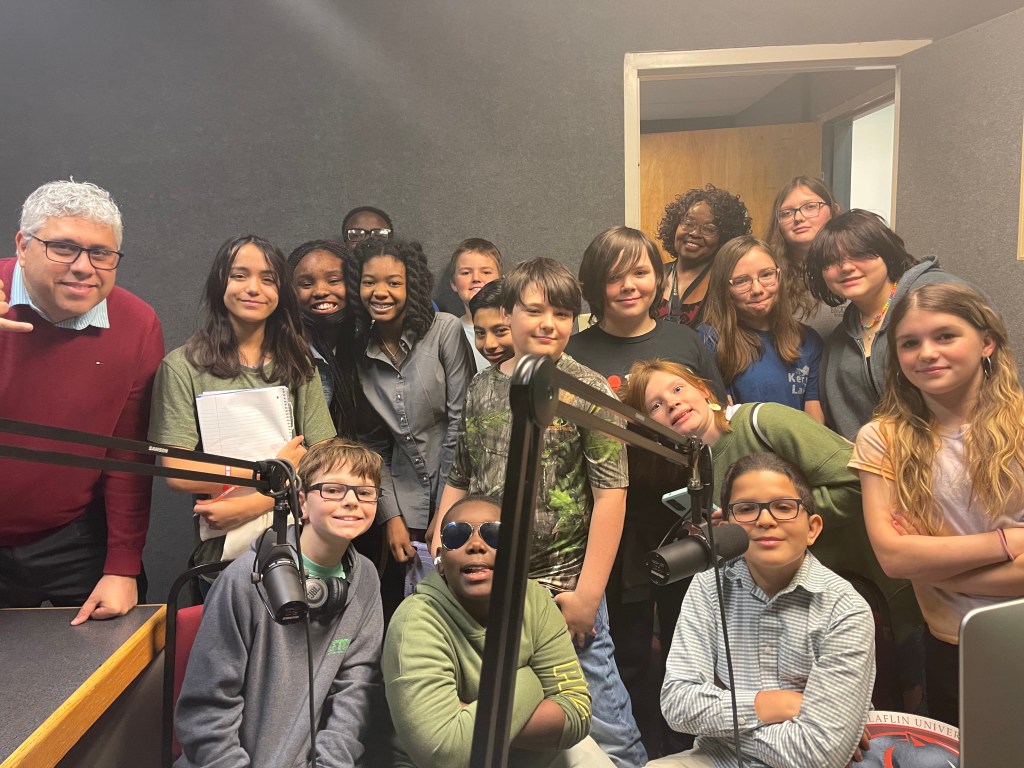
In his final year as chair, Luis supported the development of recruitment pipelines with local schools and served as Committee Chair for CALABASH (Spring Homecoming) 2023, working in coordination with campus partners on a major institutional initiative.
His leadership role in CALABASH was similarly documented during the 2022 planning cycle, as reflected in the accompanying article.
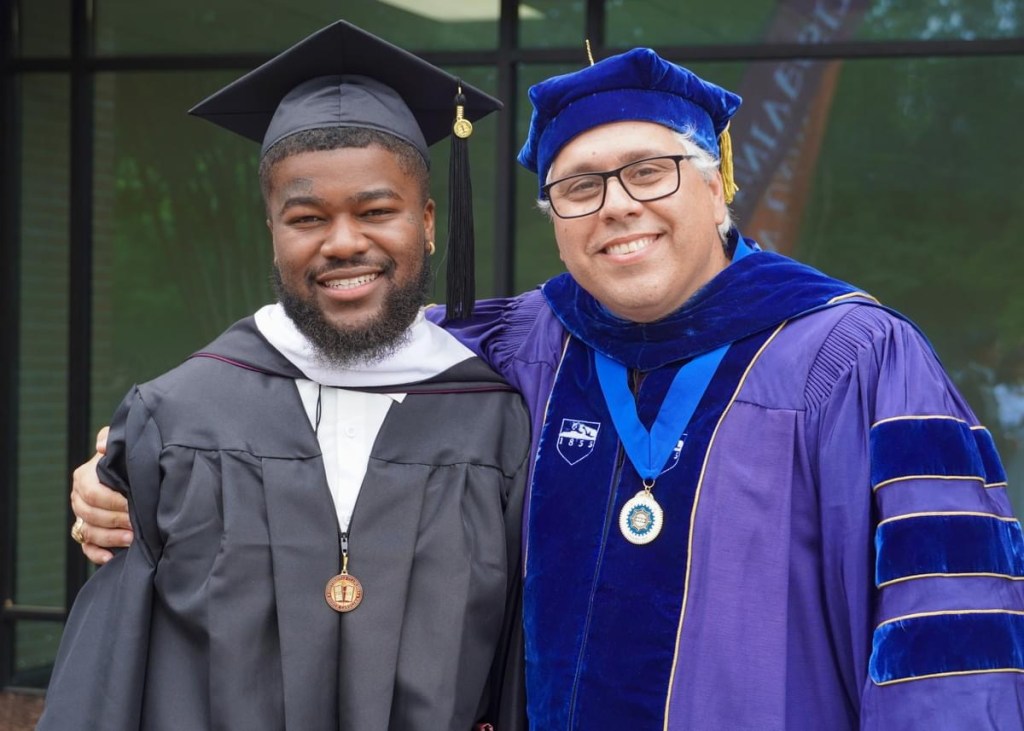





Department Awards and news Under Luis’s Leadership
- Department Ranked Top #6 programs in Mass Communications among HBCU’s.
- Top #9 best Mass Communications Programs in SC
- Journalist of the Year SC PRESS for schools under 5K twice in a roll
- Three Photojournalism Awards (2023 (1); 2024 (2))
- Award Winning Journalism Department recognized
- Created an award ceremony for students in the department
- Implemented a team of students to run department functions
- Chair of CALABASH as Chair of Mass Communications
Staff Testimonials
Upcoming changes and goals
- Complete repainting and upgrade of facilities (Aesthetically & Technical)
2. Event Planning and Execution, Facilities Revamp, Staff/faculty Development.


 Luis Camillo Machado Osorio de Almeida, Ph. D.